Why Are the First 30 Days of Pregnancy Important?
Back to Categories
Things to Pay Attention to During the First 30 Days of Pregnancy
The first 30 days of pregnancy are often a period that passes unnoticed, yet they are extremely critical for the baby's development. Although the embryo is still very small at this stage, the foundations of vital organs begin to form. The mother's nutrition, lifestyle, medications, and daily habits during this period can directly affect the baby's health.
In this article, we discuss in detail what to pay attention to during the first month of pregnancy, covering physical changes, nutrition, medication use, emotional well being, and daily life habits.
Why Are the First 30 Days So Important?
The first month of pregnancy is the period when cell division occurs most rapidly. In the weeks following fertilization, the embryo implants in the uterus, and the basic structures of vital organs such as the brain, spinal cord, and heart begin to develop. For this reason, exposure to harmful substances or excessive stress during this time may lead to complications that are difficult to reverse later.
Many women are not yet aware that they are pregnant during this period. However, whether the pregnancy is planned or unplanned, the first 30 days require special care to ensure a healthy beginning.
Physical Symptoms and Changes in the Body
Symptoms during the early days of pregnancy may vary from person to person. While some women experience no noticeable changes, others may recognize symptoms quite early.
- Mild nausea or loss of appetite
- Breast tenderness and fullness
- Increased fatigue and need for sleep
- Mild pulling or cramping sensation in the pelvic area
- Heightened sensitivity to smells
These symptoms are generally considered normal. However, severe pain, heavy bleeding, or uncontrollable nausea should be evaluated by a healthcare professional.
Nutrition: Basic Rules for the First Month
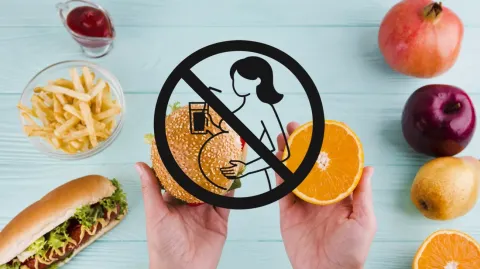
Nutrition during the first 30 days of pregnancy is one of the cornerstones of healthy fetal development. Instead of the idea of eating for two, the focus should be on balanced and nutritious meals.
Folic Acid Intake
Folic acid plays a vital role in nervous system development, especially during the early weeks. A daily folic acid supplement should be taken as recommended by a doctor, and foods rich in folate should be included in the diet.
Balanced Meals
Proteins, healthy fats, whole grains, and fruits and vegetables should be consumed in balanced proportions. Long periods without eating should be avoided, and small, frequent meals are recommended.
Foods to Avoid
- Raw or undercooked meat and fish
- Unpasteurized milk and dairy products
- Excessive caffeine-containing beverages
- Processed and packaged foods
Medication, Supplements, and Herbal Products
The use of medications during the first month of pregnancy is extremely sensitive. If there are medications that were being taken regularly before pregnancy, a doctor should be consulted as soon as pregnancy is suspected or confirmed.
Herbal products and teas labeled as natural may not always be safe. Therefore, no supplements or herbal products should be used without medical advice.
Avoiding Smoking, Alcohol, and Harmful Substances
Smoking and alcohol pose serious risks during all stages of pregnancy, including the first 30 days. These substances can negatively affect embryonic development and increase the risk of miscarriage.
Passive smoking is also harmful. Care should be taken to avoid environments where smoking occurs.
Stress, Emotional Changes, and Mental Well-Being
Due to hormonal changes, emotional fluctuations are common during the first month of pregnancy. Sudden crying, restlessness, or feelings of anxiety may occur.
During this period, it is important for the expectant mother to take time for herself, get adequate rest, and openly express her emotions. Seeking professional support when necessary can also be beneficial.
Things to Consider in Daily Life
Sleep and Rest
As fatigue increases, maintaining a healthy sleep routine becomes essential. Aim for at least 7-8 hours of quality sleep per night and take short rest breaks during the day if needed.
Physical Activity
Strenuous exercise should be avoided, but complete inactivity is not recommended. Light walks and gentle daily movements are generally safe.
Avoiding Chemicals
Exposure to chemicals such as cleaning agents, paint, and solvents should be minimized. If contact is unavoidable, gloves should be used and the area should be well ventilated.
Medical Check Ups and Pregnancy Monitoring
When pregnancy is suspected or confirmed with a positive test, visiting a healthcare provider is important. During initial check ups, the pregnancy is confirmed to be intrauterine, and basic assessments are performed.
These visits help guide a healthy pregnancy process and address the expectant mother's concerns.
General Recommendations for the First 30 Days
- Listen to your body and avoid overexertion
- Pay attention to your nutrition and sleep routine
- Do not take medications without consulting your doctor
- Reduce stressors as much as possible
- Give yourself time to adapt to pregnancy and accept this new phase
The first 30 days of pregnancy are crucial for the baby's healthy development and for the expectant mother to establish a strong foundation. Conscious choices made during this period help ensure a healthier and more comfortable pregnancy in the months ahead. Every pregnancy is unique, so guidance from healthcare professionals should always be prioritized.
Frequently Asked Questions
We collected the most common questions here.



Comments0
No comments yet — be the first to comment!