Foods to Avoid During Pregnancy
Back to Categories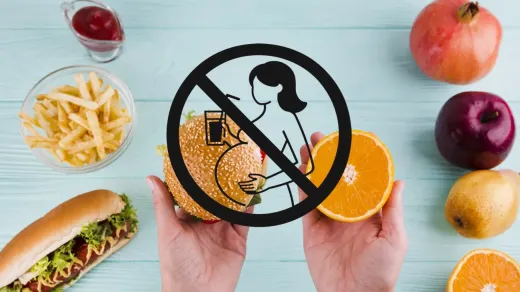
Why Should Certain Foods Be Avoided During Pregnancy?
During pregnancy, everything the mother eats and drinks reaches the baby through the placenta. For this reason, some foods that may seem harmless for a healthy adult can pose serious risks for a developing baby. These risks include infections, foodborne illnesses, heavy metal exposure, blood sugar imbalances, and unnecessary weight gain.
The main goal of nutrition during pregnancy is to meet the vitamin and mineral needs of both the mother and baby, while avoiding foods that may increase health risks. Below you will find a detailed list of foods that should be avoided or limited during pregnancy, along with the scientific reasons behind these recommendations.
Raw or Undercooked Meat, Poultry, and Fish
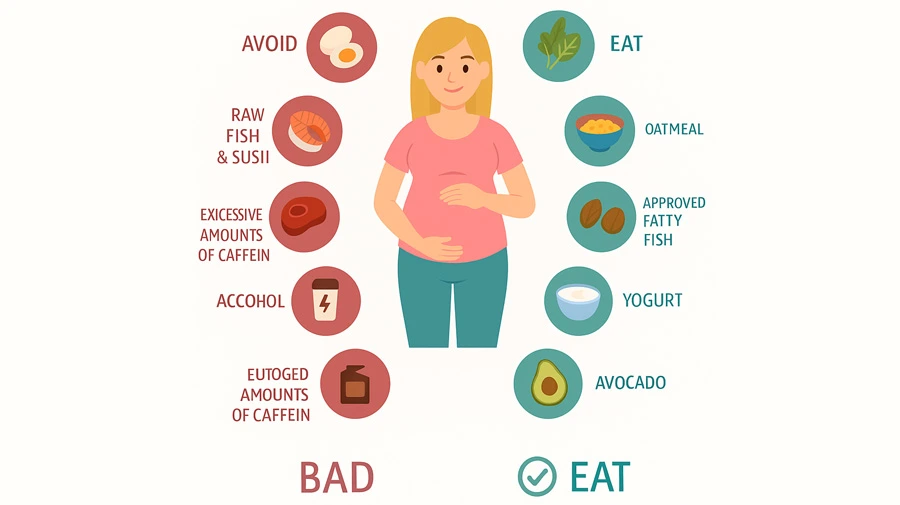
Raw or undercooked red meat, poultry, and fish may contain harmful bacteria and parasites such as Salmonella, Campylobacter, E. coli, and Toxoplasma. These microorganisms can cause fever, diarrhea, vomiting, and fatigue in the mother, and in severe cases, may lead to miscarriage, preterm birth, or developmental issues in the baby.
Foods to avoid during pregnancy include:
- Undercooked steak, minced meat, meatballs, and doner
- Chicken that is pink inside or not fully cooked
- Sushi or sashimi made with raw fish
- Raw meat dishes such as steak tartare or raw meat appetizers
Meat, poultry, and fish should be cooked thoroughly at high heat until no red or pink areas remain.
Raw Eggs and Foods Containing Raw Eggs
Raw or lightly cooked eggs can increase the risk of Salmonella infection. Eggs with cracked shells or dirty surfaces carry an even greater risk. During pregnancy, eggs should be consumed only when fully cooked, meaning both the yolk and white are completely solid.
Foods containing raw eggs that should be avoided include:
- Soft-boiled eggs with runny yolks
- Homemade mayonnaise made with raw eggs
- Tiramisu, mousse, or sauces prepared with raw eggs
- Lightly cooked omelets or scrambled eggs
Unpasteurized Milk and Cheeses
Unpasteurized (raw) milk and cheeses made from raw milk may contain Listeria, a dangerous bacteria. Listeria infection during pregnancy can lead to miscarriage, preterm birth, stillbirth, or severe newborn infections. Therefore, all dairy products consumed during pregnancy should be clearly labeled as "pasteurized".
Important points to consider:
- Raw milk should never be consumed; it must be boiled or replaced with pasteurized milk.
- Fresh cheeses and soft cheeses made from unpasteurized milk may be risky.
- Always read product labels to ensure the cheese is made from pasteurized milk.
Unwashed Fruits and Vegetables
Fruits and vegetables are essential for a healthy pregnancy, but when not washed properly, they can carry Toxoplasma and other microorganisms through soil residue. Toxoplasma infection, especially when contracted for the first time during pregnancy, can cause serious damage to the baby's eyes, brain, and nervous system.
For this reason, all fruits and vegetables should be washed thoroughly under running water and, if possible, soaked in a vinegar-water solution. When eating salads outside, choose places with reliable hygiene practices.
Processed Meats: Sausage, Salami, Hot Dogs, and Deli Meats
Processed meats such as sausage, salami, hot dogs, and deli meats often contain high amounts of salt, saturated fat, additives, and preservatives like nitrates and nitrites. In addition, improper storage conditions can allow harmful bacteria to grow. Consuming these foods frequently may negatively affect both maternal health and fetal development.
If consumed occasionally, they should be thoroughly heated and purchased from trusted brands. They should never be eaten cold, raw, or straight out of the package. Still, limiting them as much as possible is the safest approach.
High-Mercury Fish
Fish is an important food during pregnancy due to its omega-3 fatty acids, which support the baby's brain and eye development. However, some large fish species contain high amounts of mercury. Excessive mercury intake may negatively impact the baby's nervous system.
Fish to avoid during pregnancy include:
- Shark
- Swordfish
- King mackerel and other large predatory fish
Instead, smaller and lower mercury fish like salmon, sardines, anchovies, and herring may be safely consumed. Eating well-cooked fish 1-2 times per week is generally recommended.
Excessive Caffeine Intake
Caffeine is found in coffee, tea, energy drinks, cola, and some chocolate products. Excessive caffeine consumption may lead to insomnia, heart palpitations, and restlessness. Some studies suggest a link between high caffeine intake and risks such as miscarriage or low birth weight.
Most guidelines recommend limiting caffeine intake during pregnancy to 200 mg per day, which equals approximately 1-2 cups of brewed coffee. Energy drinks, due to their very high caffeine and stimulant content, should be avoided entirely.
Packaged Snacks, Fast Food, and Trans Fats
Chips, cookies, crackers, pastries, and fast food items generally contain high levels of salt, sugar, saturated fats, and trans fats. Frequent consumption of these foods may contribute to excessive weight gain, insulin resistance, swelling, and blood pressure problems during pregnancy.
While completely eliminating these items from your diet may be difficult, they should remain occasional treats rather than daily habits. Homemade meals, fresh produce, whole grains, and healthy fats should form the foundation of a pregnancy-friendly diet.
Sugary Foods and Drinks
Cravings for sweets are very common during pregnancy. However, regularly consuming sugary drinks, desserts, pastries, and ice cream can disrupt blood sugar regulation and increase the risk of gestational diabetes (pregnancy diabetes). Excess sugar intake can also lead to rapid weight gain.
To satisfy sweet cravings more safely, fresh fruits or low-sugar milk-based desserts can be preferred. Avoid sodas, packaged fruit juices, and heavy syrup desserts as much as possible.
Be Cautious with Herbal Teas and Supplements
Herbal teas are often considered harmless simply because they are "natural," but some herbs can affect uterine contractions, blood pressure, or interact with medications. Not all herbal teas are safe during pregnancy.
Mixed herbal teas, detox teas, slimming teas, and herbal supplements sold online should be avoided. Even mild teas like chamomile or linden should not be consumed regularly without consulting a doctor.
General Tips for Safe Eating During Pregnancy
- Prefer home cooked meals prepared under clean conditions.
- Always consume fully cooked meat, poultry, fish, and eggs.
- Wash fruits and vegetables thoroughly under running water.
- Choose pasteurized dairy products from trusted brands.
- Drink enough water and limit sugary or carbonated beverages.
- Consult your doctor before using any herbal tea or supplement.
Conclusion: Aim for a Balanced and Safe Diet
Foods that should be avoided during pregnancy are typically those that increase the risk of infection or contain harmful additives, heavy metals, excessive sugar, or unhealthy fats. Minimizing these foods helps ensure a healthier pregnancy experience and supports the baby's development.
Always remember that the safest nutrition plan during pregnancy is one created with your doctor or dietitian, focusing on a balanced, varied, and safe diet. Avoid applying any information you read online without professional guidance.
Frequently Asked Questions
We collected the most common questions here.

Comments0
No comments yet — be the first to comment!