Ectopic Pregnancy Symptoms Early Warning Signs and Treatment
Back to Categories
What Is an Ectopic Pregnancy?
An ectopic pregnancy occurs when a fertilized egg implants outside the uterine cavity, most commonly in the fallopian tube, but sometimes in the ovary, abdominal cavity, or cervix. It is a serious medical condition and affects about 1-2% of all pregnancies. If not diagnosed early, it can pose a significant risk to the mother's health. Recognizing the symptoms early is crucial.
What Causes an Ectopic Pregnancy?
In a healthy pregnancy, the fertilized egg travels through the fallopian tube and implants in the uterus. However, in an ectopic pregnancy, this journey is disrupted and the embryo implants elsewhere. The most common site is the fallopian tube.
Risk factors include:
- History of ectopic pregnancy
- Blocked or damaged fallopian tubes
- Pregnancy after tubal ligation (rare but possible)
- Pelvic infections such as chlamydia or gonorrhea
- Endometriosis
- Smoking
- Pregnancy at age 40 or older
- Assisted reproductive treatments (IVF, etc.)
When Do Symptoms of an Ectopic Pregnancy Start?
Ectopic pregnancy symptoms usually appear between weeks 4-7 of pregnancy. Many women experience symptoms around the time they have just learned they are pregnant. Because early symptoms resemble normal pregnancy symptoms, careful attention is necessary.
What Are the Symptoms of an Ectopic Pregnancy?
Early and advanced symptoms differ. Some may be mild, while others can be life threatening.
1. Vaginal Spotting or Light Bleeding
Ectopic pregnancy often causes dark brown or irregular spotting. It is usually lighter than a period but may last longer than normal implantation bleeding.
2. Severe or One Sided Pelvic Pain
One of the most characteristic symptoms is sharp or stabbing pain on one side of the lower abdomen. This pain may be constant or intermittent and is usually felt on the side where the embryo implanted.
3. Shoulder Tip Pain
Unexplained shoulder pain can indicate internal bleeding due to a ruptured fallopian tube. Irritation of the diaphragm causes referred pain to the shoulder. This is an emergency sign.
4. Dizziness and Fainting
If internal bleeding occurs, blood pressure may drop, causing dizziness, cold sweats, weakness, or fainting. These symptoms require urgent medical attention.
5. Low or Slow Rising hCG Levels
In a normal pregnancy, hCG levels double approximately every 48 hours. In an ectopic pregnancy, hCG levels:
- Increase very slowly
- Plateau
- Or may fail to increase at all
Serial hCG testing is therefore essential for diagnosis.
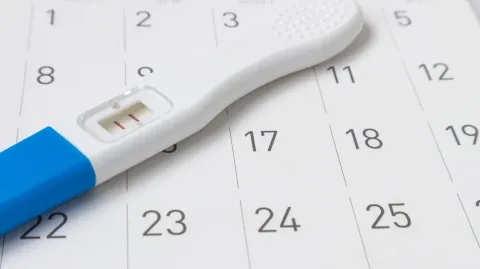
6. Late Period and a Faint Positive Test
A faint line on a pregnancy test is common in ectopic pregnancies due to insufficient hormone production.
Symptoms of a Ruptured Ectopic Pregnancy
If an ectopic pregnancy is not treated, the fallopian tube may rupture, causing internal bleeding. This is a life threatening medical emergency.
Symptoms of rupture include:
- Sudden, severe abdominal pain
- Heavy vaginal bleeding
- Pain radiating to the shoulder
- Loss of consciousness or fainting
- Rapid heartbeat and low blood pressure
How Is an Ectopic Pregnancy Diagnosed?
Diagnosis involves physical examination, blood tests, and ultrasound imaging. Your doctor may perform:
- Serial beta hCG testing: Monitoring the hormone's rise over 48 hours.
- Transvaginal ultrasound: Checking whether a gestational sac is present inside the uterus.
- Progesterone measurement: Low progesterone levels may indicate an abnormal pregnancy.
Early detection significantly improves treatment outcomes.
Treatment Options for Ectopic Pregnancy
Treatment depends on the pregnancy's size, location, hCG levels, and whether the tube has ruptured.
1. Medication (Methotrexate)
In early cases, methotrexate can stop embryonic growth. It prevents the cells from dividing and allows the body to absorb the pregnancy tissue naturally.
2. Surgical Intervention
If the tube has ruptured or the bleeding is severe, laparoscopic surgery is required. In some cases, the fallopian tube may need to be removed (salpingectomy).
3. Expectant Management (Observation)
In very rare situations where hCG levels are already declining, doctors may opt to monitor the pregnancy without immediate treatment. This must only be done under strict medical supervision.
Can You Get Pregnant Again After an Ectopic Pregnancy?
Yes. Most women who experience an ectopic pregnancy can go on to have healthy pregnancies. However, the risk of recurrence is around 10-15%. For this reason, early ultrasound evaluation is recommended in future pregnancies.
Can an Ectopic Pregnancy Be Prevented?
While complete prevention is not always possible, reducing risk factors can help:
- Avoid smoking
- Practice safe sex to prevent sexually transmitted infections
- Treat pelvic infections promptly
- Have a preconception check up before trying to conceive
In Summary
Although ectopic pregnancy may begin with subtle symptoms, it can become dangerous in advanced stages. One sided pelvic pain, dark spotting, shoulder pain, or slow-rising hCG levels should never be ignored. Seeking medical evaluation promptly is essential to protect the mother's health. Early diagnosis saves lives.
Frequently Asked Questions
We collected the most common questions here.



Comments0
No comments yet — be the first to comment!